


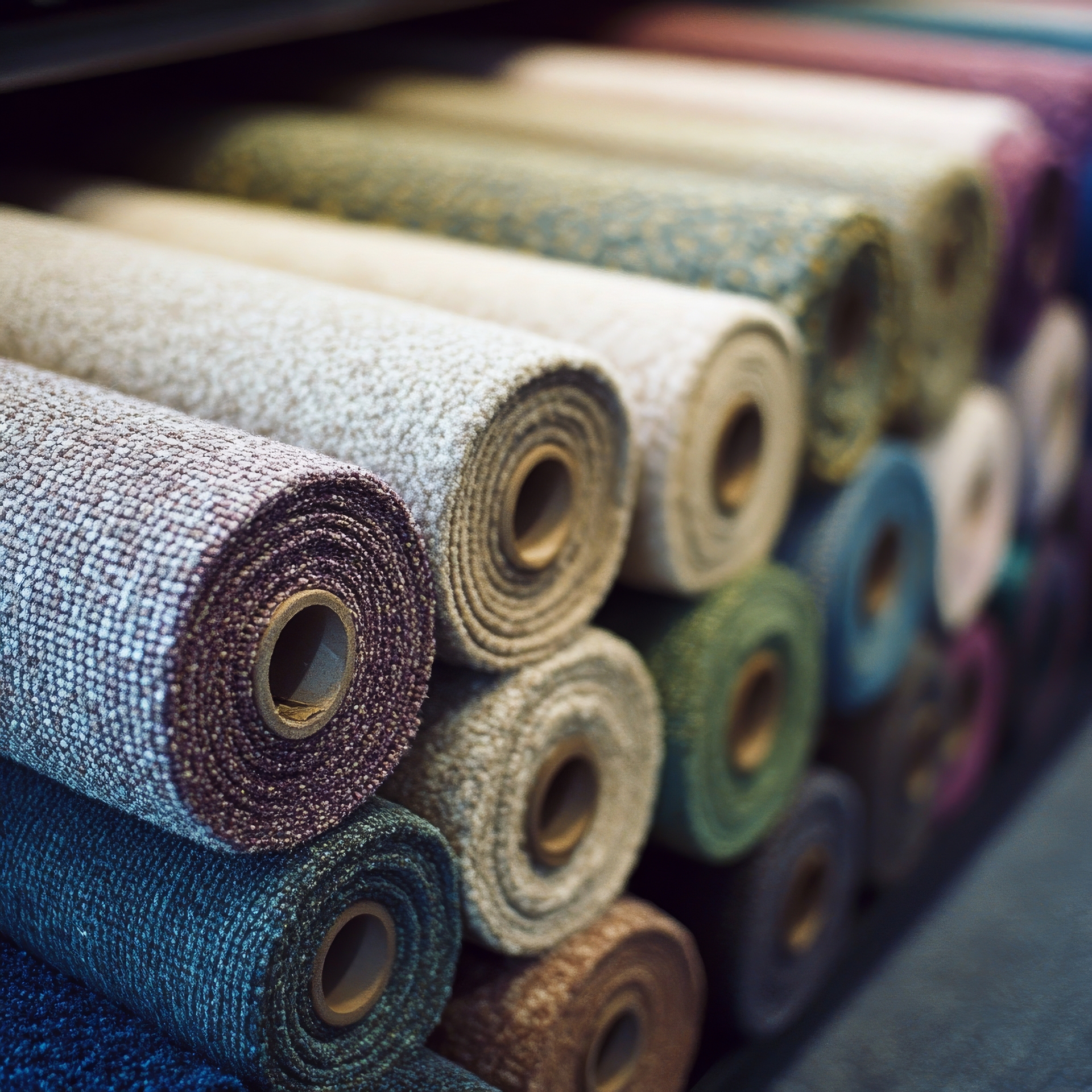
Carpet style, color, and softness are usually the first things that catch the eye—but the part that sits beneath every step matters just as much. Carpet backing materials play a major role in how well carpet performs, how long it lasts, and how comfortable it feels underfoot. Backing is the quiet foundation that holds everything together, and understanding the different types helps homeowners make confident, long-lasting decisions for their spaces.
Looking beneath the surface: What carpet backing actually does
Carpet backing acts like the skeleton of the carpet system. It provides stability, gives the carpet shape, and anchors the fibers in place. Without a strong backing, the soft, beautiful surface that homeowners love wouldn’t stand up to daily life.
Here are the main responsibilities of a carpet backing:
Holds carpet fibers in place to prevent shedding or unraveling
Provides structure so the carpet lays smoothly and securely
Helps protect the carpet from moisture, spills, and everyday wear
Determines how the carpet feels: flexible, firm, cushioned, or extra-stable
Affects long-term durability, maintenance needs, and installation quality
Understanding these roles is the first step in knowing which backing fits a home’s needs, especially in busy Inland Empire households where daily foot traffic, kids, pets, and outdoor dust are common.
Exploring primary vs. secondary backing
Most carpets have two types of backing, and each one serves a different purpose.
What primary backing does
The primary backing is the material that holds the individual carpet fibers (the pile). It’s usually made from woven or nonwoven polypropylene.
Its main functions include:
Keeping every tuft secure
Laying the groundwork for the carpet’s structure
Supporting how the carpet handles bending and stretching
What secondary backing adds
The secondary backing is the reinforcement layer applied behind the primary backing. This layer dramatically increases durability and stability.
Secondary backing helps:
Prevent wrinkles, buckling, and stretching
Improve dimensional stability
Strengthen the carpet for installation over padding
Enhance the carpet’s lifespan
When these two layers work together, the carpet maintains its form and performance—even in busy hallways, living rooms, and family spaces.
Diving into common backing materials
Different backing materials bring different strengths. Choosing the right one can transform how well a carpet performs in any given room.
Latex backing for everyday durability
Latex is one of the most common backing materials. It adds strength and flexibility, allowing carpets to handle normal household use.
Latex-backed carpets are known for:
Good elasticity
Reliable tuft bonding
Compatibility with most carpet styles
Latex is a go-to choice for homeowners wanting dependable performance without specialty features.
Polyurethane backing for comfort and long-term strength
Polyurethane backing (sometimes called PU backing) offers a softer, plusher feel underfoot. It also adds dimensional stability and resists breakdown better than latex.
Advantages include:
Enhanced comfort
Excellent durability
Strong resistance to moisture
Reduced risk of delamination over time
This makes PU-backed carpets a favorite for families who want soft flooring that keeps its shape.
Woven backing for classic craftsmanship
Some carpets use woven jute or synthetic woven materials. Known for their traditional feel, woven carpets often deliver exceptional strength and long-lasting stability.
Woven backing offers:
Exceptional structural integrity
A premium, luxury feel
Increased resistance to unraveling
Homeowners choosing woven products often do so for their timeless craftsmanship and sturdy build.
Choosing the right carpet backing for different rooms
Each room in a home places different demands on flooring. The right backing material helps the carpet meet those needs with confidence.
Family rooms and living spaces
These high-use spaces benefit from:
Polyurethane backings for comfort
Latex backings for reliable day-to-day performance
Bedrooms
Bedrooms aren’t exposed to heavy foot traffic, so plush comfort often wins. PU-backed carpets or soft latex options work especially well here.
Stairs and hallways
Stairs require exceptional stability. A strong secondary backing—woven or reinforced latex—helps the carpet hold firm and reduce slip risks.
Basements and moisture-prone areas
Moisture resistance is essential. PU backings and moisture-safe synthetics keep carpets stable and reduce the risk of mold or odor.
Why backing quality impacts long-term carpet value
A carpet may look beautiful at first glance, but its backing determines how well it lasts after years of footsteps, vacuuming, spills, and family life. High-quality backing prevents bubbling, stretching, shedding, and premature wear—giving homeowners greater long-term value.
When the right carpet backing is paired with experienced professional installation, the whole system performs better. It lays flatter, feels more stable, and looks newer for longer.
Schedule a flooring consultation with Wally’s Carpet & Tile today!
For homeowners wanting durable, family-friendly carpet backed by decades of trusted service, our team at Wally’s Carpet & Tile is here to help. With locations in San Bernardino, Yucaipa, and Upland—and convenient shop-at-home service for Rancho Cucamonga—we bring quality carpet, expert installation, and traditional values to every project. Reach out today and experience why we’ve been Flooring the Inland Empire one job at a time since 1954.
Our conveniently located showrooms proudly serve the following communities:
San Bernardino showroom - Highland, Riverside, Moreno Valley, CA
Yucaipa showroom - Redlands, Calimesa, Beaumont, CA
Upland store - Ontario, Montclair, San Antonio Heights, Claremont, La Verne, San Dimas, CA
Rancho Cucamonga, CA (shop at home only) - Alta Loma, Etiwanda, CA


