


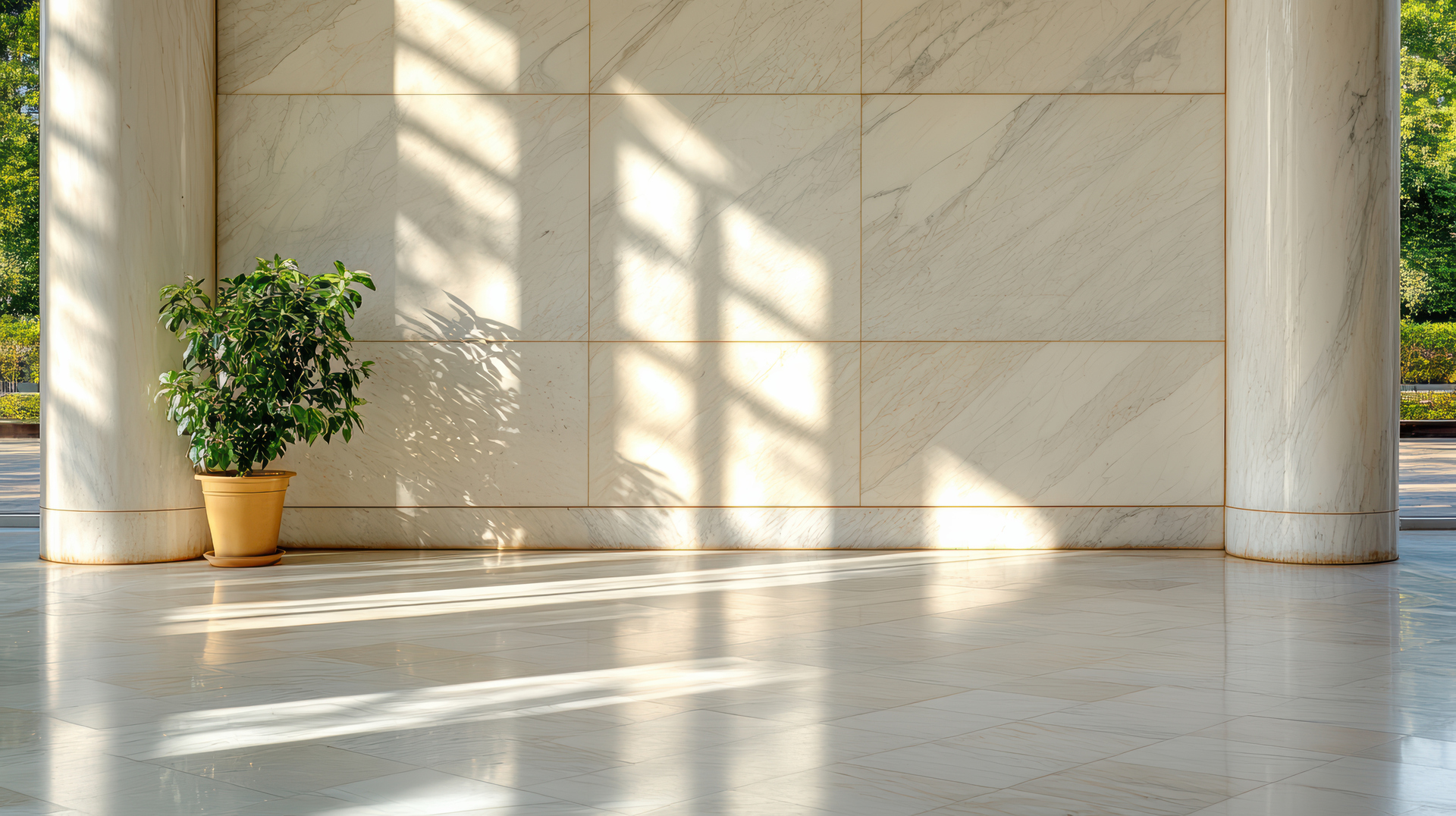
Natural stone flooring has a character that simply can’t be manufactured. Marble, travertine, slate, and limestone all carry natural variation that gives floors depth, movement, and a one-of-a-kind finish. That variation is also what surprises many homeowners during installation. Tiles from the same shipment can differ in tone, veining, texture, and shade—even within the same box.
Understanding how natural stone color variation works, and how professional installers plan for it, helps set realistic expectations and leads to better results. When handled correctly, variation becomes the feature that makes a stone floor feel intentional rather than inconsistent.
What natural color variation really means in stone
Natural stone is quarried from the earth, not manufactured in a factory. Each tile is cut from a different section of the stone block, which means no two pieces are identical. Some tiles may appear warmer, cooler, darker, lighter, or more heavily veined than others.
This is not a defect—it’s part of the material’s authenticity. Stone flooring is often rated by level of variation, from relatively uniform to highly dramatic. Installers review this rating before layout begins so the final floor feels cohesive rather than random.
In spaces where subtlety is preferred, stone with moderate variation creates interest without overwhelming the room. In more expressive designs, higher variation can add richness and movement across large areas.
Why stone looks different once it’s installed
Many homeowners first see stone flooring on small samples or showroom boards. Once installed across an entire room, variation becomes more noticeable. Light exposure, room size, and grout color all influence how tones appear once the floor is down.
Natural daylight can pull out undertones that weren’t obvious indoors. Grout can either soften transitions between tiles or emphasize contrast. Installers account for these factors when planning layout so color shifts feel balanced from wall to wall.
This planning process is especially important in open layouts where stone runs continuously between rooms.
How installers plan for balanced color flow
Professional installers never open one box and install tiles in order. Instead, they dry-lay stone from multiple boxes at once. This spreads color, texture, and veining evenly across the space.
Tiles with heavier markings are intentionally spaced out rather than clustered. Lighter and darker pieces are blended so no single area feels patchy or mismatched. This is a skill developed through experience and careful attention, not guesswork.
In many projects, installers pause during layout to step back and review the floor visually before committing to thinset. That extra time ensures the finished installation looks natural and intentional.
Layout direction and pattern decisions
Stone layout isn’t just about color—it’s also about orientation. Running stone lengthwise, diagonally, or in patterns like Versailles or ashlar affects how variation reads across the floor.
Long, linear layouts can emphasize color shifts from tile to tile, while modular patterns break up transitions and create visual rhythm. Installers choose layouts that complement the stone’s natural features rather than fighting them.
For homeowners exploring options within tile flooring selections, understanding how pattern choice impacts color balance is a key part of planning.
The role of sealing and finish in color appearance
Stone finish plays a major role in how variation appears. Polished stone reflects more light and often deepens color, making veining more pronounced. Honed or matte finishes soften contrast and reduce glare, creating a more blended look.
Sealers can also enrich color slightly, especially on porous stones like travertine and limestone. Installers typically test sealers on spare tiles before application so there are no surprises after installation.
These small details make a big difference in how the final floor feels once furniture, lighting, and daily use come into play.
Setting expectations before installation begins
One of the most important steps in any natural stone project is expectation setting. Installers often review multiple tiles with homeowners before installation to show the full range of variation present in the material.
This conversation helps prevent misunderstandings later. When homeowners understand that variation is inherent—and planned for—the final result feels authentic rather than unexpected.
Those considering natural stone flooring options benefit from seeing full cartons rather than relying solely on small samples.
Why experience matters with natural materials
Natural stone rewards skilled installation. Knowing how to balance tones, plan layouts, and anticipate how light affects color separates experienced installers from rushed installations.
When handled properly, variation becomes what gives a stone floor its timeless appeal. Each tile contributes to a larger visual story that can’t be replicated with printed surfaces or uniform materials.
Stone floors installed with care age beautifully, gaining character over time rather than looking dated.
Schedule a consultation with our flooring team
For homeowners planning a natural stone project, expert guidance makes all the difference. Wally’s Carpet & Tile has proudly served the Inland Empire since 1954, offering shop-at-home service and professional installation across San Bernardino, Upland, Yucaipa, Rancho Cucamonga, and surrounding communities. To talk through stone options, layout planning, and installation timelines, visit our contact page to schedule a consultation.


