


Tile is known for its durability, long service life, and timeless appeal—but none of that holds true if it’s installed over a problematic subfloor. Beneath every beautifully tiled kitchen, bathroom, or entryway lies a structural foundation that must be strong, level, and stable. When that foundation isn’t performing as it should, tile can crack, grout can crumble, and the entire installation can fail long before its time.
For homeowners planning a remodel, understanding how subfloor issues impact tile performance is one of the most important steps in achieving lasting results. A strong and stable tile installation doesn’t begin with the tile—it begins underneath.
How hidden structural problems undermine tile performance
Tile itself is incredibly rigid, and while that rigidity creates a luxurious, solid feel underfoot, it also leaves little room for movement below the surface. Even small structural concerns can quickly create big problems.
Movement that travels upward
If the subfloor flexes when walked on—whether due to joist spacing, moisture damage, or weakened materials—that motion carries upward. Tile can’t stretch or bend to accommodate it. Instead, it resists until it eventually cracks. In many cases, diagonal or hairline cracks across tiles are early warning signs of subfloor instability.
Uneven surfaces that compromise adhesion
Tile requires a perfectly flat surface to bond properly. When high and low spots exist in the subfloor, the tile installer must compensate with leveling compounds or risk hollow-sounding tiles, lippage (raised edges), or sections that break under pressure. Uneven surfaces not only affect appearance—they shorten lifespan.
Moisture damage that weakens support
Wood subfloors are especially vulnerable to moisture from leaks, humidity, or previous water incidents. When plywood or OSB swells, softens, or weakens, it can’t hold fasteners securely or support tile weight evenly. Over time, that leads to movement, noise, and cracking tile. Moisture is one of the most common contributors to long-term tile failure.
Subfloor layers that aren’t designed for tile
Tile installations often require an upgraded subfloor assembly, whether that’s cement board, an uncoupling membrane, or additional structural support. When homeowners skip these steps—or when a previous installer cut corners—tile never gets the foundation it needs to perform correctly.
Not all subfloors are created equal, and not all are made for tile without the right preparation.
Signs a subfloor may need attention before tile installation
Recognizing potential issues early prevents headaches later. These are some of the most telling indicators homeowners should look for.
Squeaky or spongy floors
A floor that bounces, creaks, or feels soft underfoot is usually moving more than tile can tolerate. This movement often indicates loose subfloor panels or insufficient stiffness in the joists.
Cracks in existing flooring
If current flooring—whether tile, vinyl, or laminate—shows cracking or separation, it may not be the surface material that failed. Instead, the subfloor below may be shifting or sagging.
Uneven or sloping floors
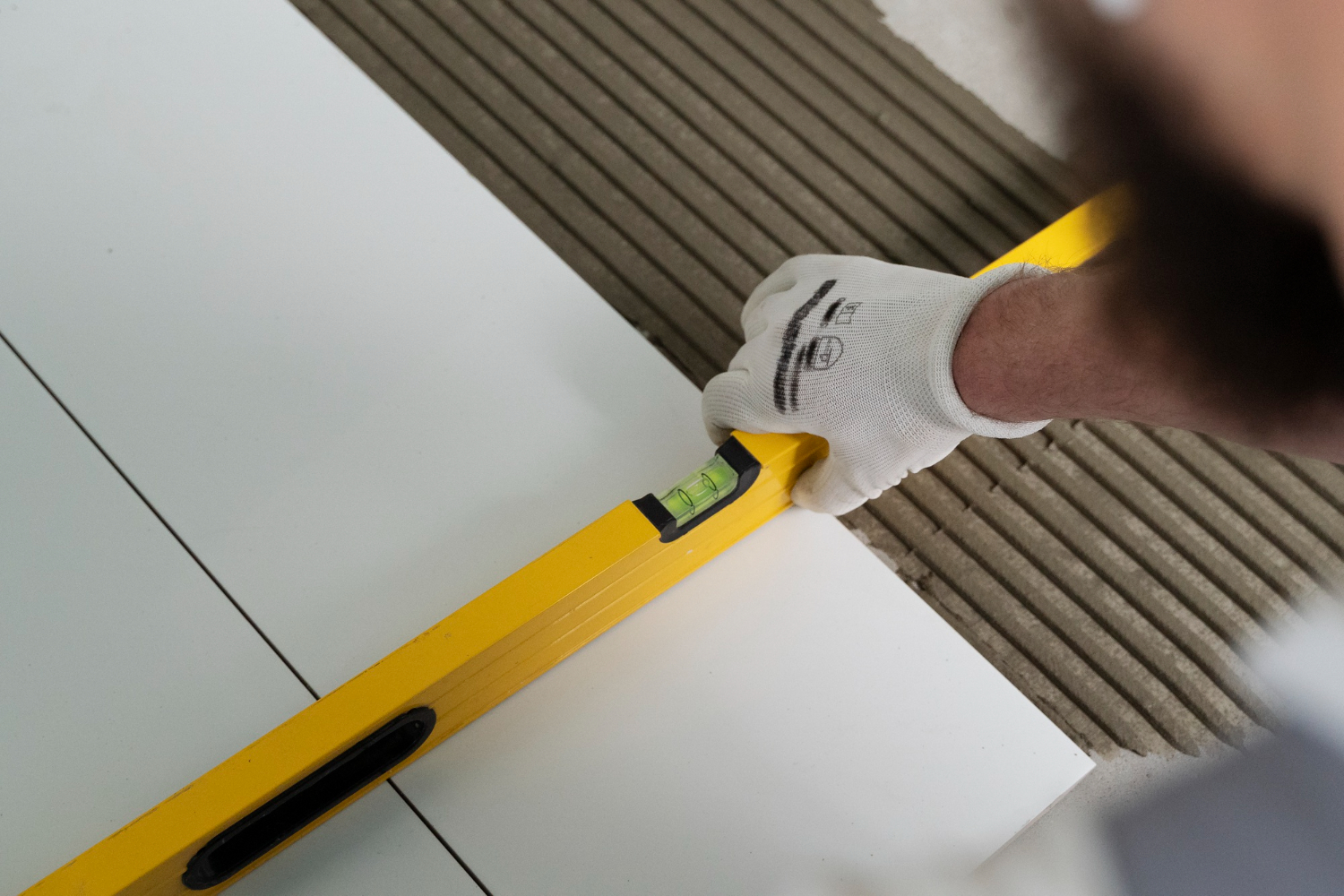
A simple level test can identify dips, humps, or slopes. These irregularities compromise tile installation and must be corrected with structural adjustments or leveling materials.
Previous water exposure
Even if the surface looks dry now, old water damage often leaves behind weakened materials. Kitchens, bathrooms, laundry rooms, and entryways are especially prone to moisture issues that need evaluation.
What homeowners should know before choosing tile
The success of tile installation rests heavily on what happens before the first tile is ever placed. Homeowners can protect their investment by understanding the crucial steps that ensure long-lasting performance.
Proper subfloor preparation is not optional
A professional flooring team evaluates the existing subfloor, determines whether it meets industry standards, and performs any necessary corrections. This may include:
Tightening or replacing loose subfloor panels
Adding additional layers to increase strength
Installing cement board or uncoupling membranes
Leveling dips or correcting uneven spots
Addressing moisture concerns
Skipping any of these steps increases the risk of tile failure.
Tile adds weight—your floor must support it
Tile installations can weigh significantly more than other flooring types. Older homes or rooms with wide joist spacing may need reinforcement to support this additional load.
Not all tiles work with all subfloors
Large-format tiles, for instance, need particularly flat surfaces to prevent lippage. Natural stone often requires double-layer subfloors for adequate support. Matching the tile to the structure ensures performance and longevity.
A professional installer makes all the difference
While DIY tile projects may be possible, addressing structural subfloor concerns is rarely a task homeowners should perform alone. Professional installers understand how to evaluate structural integrity, manage elevation transitions, and create a stable base that protects the tile above it.
Why a strong subfloor is the foundation of a long-lasting tile installation
Every tile installation tells a story—not just the beautiful one on top, but the one underneath as well. Taking time to evaluate and correct the subfloor ensures:
Fewer cracks and repairs
Better long-term durability
A smoother, more attractive finish
Greater overall home value
A little preparation now prevents costly replacements later. When the subfloor is sound, tile performs exactly the way it should: strong, solid, and built to last for decades.
Talk to the team that puts craftsmanship and care first
For homeowners across San Bernardino, Yucaipa, Upland, and our surrounding Inland Empire communities, Wally’s Carpet & Tile brings decades of trusted flooring experience. Our family-run team believes in quality work, friendly communication, and helping every family choose flooring that stands the test of time. Schedule a visit or shop from home today—we’ll make sure the subfloor and the tile above it are built to last.
Our conveniently located showrooms proudly serve the following communities:
San Bernardino showroom - Highland, Riverside, Moreno Valley, CA
Yucaipa showroom - Redlands, Calimesa, Beaumont, CA
Upland store - Ontario, Montclair, San Antonio Heights, Claremont, La Verne, San Dimas, CA
Rancho Cucamonga, CA (shop at home only) - Alta Loma, Etiwanda, CA


